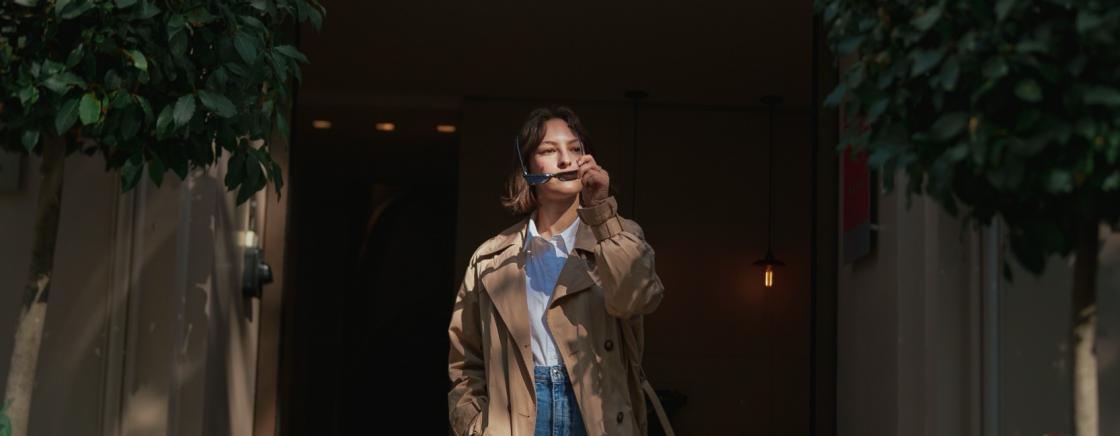
For over a century, two Parisian institutions have faced each other on Boulevard Saint-Germain. Between Café de Flore and Les Deux Magots, the hearts of literature enthusiasts waver. A look back at an eternal debate that continues to fascinate travelers from around the world in search of the authentic Parisian art of living.
A Historical Rivalry in the Heart of Paris
Boulevard Saint-Germain still echoes with the voices of the twentieth century's greatest intellectuals, artists, and visionaries. It is here, in the heart of the 6th arrondissement of Paris, that one of the French capital's most fascinating turf wars has played out for decades. On one side, Café de Flore; on the other, Les Deux Magots. Two legendary terraces, two rich and complex histories, and a question that remains on the lips of all art and history lovers: at which table should one sit to capture the very essence of literary Paris?
These two emblematic addresses have shaped the French and international cultural landscape, welcoming writers, painters, filmmakers, and fashion personalities in turn. Choosing between these two establishments often means choosing an affinity, a particular sensibility, or even a true philosophy of life.
Café de Flore: The Elegance of Thought

Founded under the Third Republic, around 1887, Café de Flore takes its poetic name from the sculpture of the goddess of flowers and spring that once stood on the other side of the boulevard. Very quickly, the establishment established itself as the cradle of new, unconventional thinking. Historical archives recall that it was in 1917, in this bubbling atmosphere, that the poet Guillaume Apollinaire brought together his contemporaries André Breton and Paul Éluard, laying the intellectual foundations of what would become the surrealist movement.
During the dark hours of the German Occupation, Café de Flore transformed into an unexpected haven for the intellectual world. Its immense coal stove allowed free spirits to gather in a warm environment. It was at this time that Simone de Beauvoir and Jean-Paul Sartre made it their true headquarters, developing the complex foundations of existentialist philosophy there. Sartre would immortalize this unwavering bond with these famous words: "We were at home at the Flore." Today, its carefully preserved Art Deco décor, with its red moleskin banquettes, elegant woodwork, and time-patinated mirrors, continues to attract a clientele in search of refinement. The institution still honors its primary vocation by awarding the prestigious Prix de Flore each year, created in 1994 to reward the audacity of a promising young author.
Les Deux Magots: The Crossroads of Intellectuals

Only a few meters away, separated by a mere street, Les Deux Magots claims a history just as prestigious and ancient. Opened in 1885 on the site of a former novelty shop, the café retained the intriguing name of its predecessor, as well as the two magnificent statues of Chinese mandarins, nicknamed the "magots," which peacefully watch over the main room. This café was initially the haunt of the poetic avant-garde. Paul Verlaine, Arthur Rimbaud, and Stéphane Mallarmé loved to meet there to debate and remake the world with passion.
Over the decades, the location became the essential crossroads of the international artistic scene. The American writer Ernest Hemingway shared precious moments there with other figures of the Lost Generation. It was also on these banquettes that Pablo Picasso had a decisive encounter with Dora Maar in 1935. Anxious to stand out from the literary institutions of the time, which it deemed too academic, the café founded its own literary prize in 1933, the Prix des Deux Magots, first awarded to the writer Raymond Queneau. Simone de Beauvoir also drew immense inspiration there for writing her famous novel "The Mandarins," a title chosen as a direct tribute to the two statues in the room. Sitting at Les Deux Magots thus means diving into a living heritage where poetry, painting, and philosophy intimately mingled to revolutionize modern thought.
Two Atmospheres, One Passion for Letters
While the geographical proximity is undeniable, the atmosphere of each house is distinguished by subtle nuances. The Flore cultivates a discreet, almost confidential aura, often favored by the haute couture and cinema industries, as well as a discerning Parisian clientele. Its impeccable service and hushed ambiance invite deep discussions and creative meetings.
Les Deux Magots, on the other hand, with its vast, majestic terrace bathed in light and directly facing the imposing Romanesque church of Saint-Germain-des-Prés, offers a sumptuous stage open to the city's bustle. The location attracts a vibrant clientele composed of aesthetes, the curious, and international travelers eager to immerse themselves in the fascinating spectacle of Parisian life.
The Literary Experience Today
Today, it is by no means necessary to definitively pick a side to appreciate the spirit of the neighborhood. True Parisian elegance consists, on the contrary, in soaking up both atmospheres depending on the time of day. Discerning travelers can easily begin their morning with a quiet read at the Flore, accompanied by a perfectly balanced coffee, before crossing the street for a contemplative lunch at Les Deux Magots. These two exceptional addresses preserve a rare art of living, an urban sanctuary where time stretches gracefully, and where handwritten notes still find their place on the white marble tables.
Prolong the Literary Magic at Hôtel Le Tourville

After an enthralling day spent tracing the footsteps of the greatest intellectuals, the sensory and cultural experience ideally continues in the absolute tranquility of the 7th arrondissement. Hôtel Le Tourville by Inwood Hotels perfectly embodies this visceral passion for literature and Parisian elegance, offering an idyllic continuation to your literary strolls.
Conceived as a true ode to words, our four-star boutique hotel celebrates the Writer's Art of Living every day. Each floor of this residence of character pays a subtle tribute to a timeless pen of our literary heritage, whether it be the classicism of Molière, the poetry of Baudelaire, or the wisdom of Jean de La Fontaine.
The Writer's Art of Living in the 7th Arrondissement
Every space in our establishment invites reverie, contemplation, and creation. Upon your arrival, our warm lounges, adorned with richly stocked libraries, welcome you for a timeless moment of relaxation. It is the perfect place to continue reading a major work, comfortably settled in one of our deep sofas, sheltered from the city's hustle and bustle.
Our rooms, with their pure lines, soft colors, and noble materials, are designed as inspiring sanctuaries, akin to blank notebooks ready to receive the exclusive narrative of your stay. Whether you choose to reside in our charming Classic Rooms or prefer the superb volumes of our Family Suites and Executive Rooms with terraces, every detail, from the delicate choice of fabrics to the inspiring presence of a beautiful writing desk, is meticulously curated to offer you an experience of absolute comfort.
The romantic atmosphere and bespoke service of Hôtel Le Tourville constitute the perfect anchor to write the next pages of your own Parisian adventure, just a few steps away from the majestic Eiffel Tower. Allow yourself to be seduced by this timeless heritage, and come write your story in the heart of Parisian luxury.